

Train to workplace safety is no longer just a theoretical course or a simple evacuation exercise. Companies now need to anchor the right reflexes in the field, as close as possible to real-life situations.
That's the whole point of the AFEST (Action de Formation En Situation de Travail) also known as FEST (On-the-job training), which transforms the workstation into a genuine learning environment.
By combining practice, observation and support, AFEST has become an indispensable modern response and compliant at Labor Code for effective safety training.
What is the AFEST or FEST method?
On-the-job training, also known as AFEST or FEST, which allows you to’learning by doing in its business environment. Accompanied by a trainer or tutor, employees develop their skills based on real-life work situations, while benefiting from analysis and feedback.
According to the’ANACT (Agence nationale pour l'amélioration des conditions de travail), this method is based on two complementary teaching sequences:
- a real-life situation where the employee learns by acting directly at his or her workstation,
- followed by’a reflective phase, during which he analyzes his actions with a tutor or trainer to understand what has been done and what lessons can be learned.
This encourages rapid and lasting acquisition of skills, as it combines immediate practice with guided reflection.
This method, validated following a nationwide trial conducted by the DGEFPthe FPSPPthe Copanef and the’ANACT between 2014 and 2018. East since 2019 recognized by the Labor Code as a training modality in its own right.
The legal and institutional framework for AFEST
FEST is based on a clear legal framework that guarantees the quality and traceability of apprenticeships. It was introduced by the law of september 5, 2018 for the freedom to choose one's professional future and specified by the decree no. 2018-1341 of December 28, 2018, who recognize the on-the-job training as an integral part of continuing professional development.
Visit Labor Code (article D6313-3-2) sets out the four fundamental stages of the process:
- L‘he analysis of work activity and, if necessary, adapt it for teaching purposes; ;
- Visit prior appointment of a trainer who can act as mentors; ;
- Visit setting up reflexive phases, These allow us to observe and analyze discrepancies between what is expected, what has been achieved and what has been learned, in order to consolidate and clarify what has been learned; ;
- From specific learning assessments that mark out or conclude the action.
Other articles complete this framework:
- Afest is part of an «educational program designed to achieve a professional objective» (Art. L. 6313-2).
- It requires «technical and human resources as well as educational resources» (Art. R. 6313-1).
- «Information on the organization of the program is made accessible by the provider, by any means, to the beneficiaries and financial backers concerned»(Art. R. 6313-2).
- «It must be possible for the person providing the service to provide evidence that the service has been carried out» (Art. R. 6313-3).
These obligations contribute to transforming a professional activity into a concrete learning experience, while complying with the prevention and safety requirements laid down in the French Labour Code.
🔗 Source: https://www.anact.fr/action-formation-situation-travail-afest
Why is the AFEST/FEST method particularly well suited to workplace safety training?
Safety in the workplace is subject to specific regulatory requirements. It is required by law (articles L4121-1, L4141-2 and R4141-3 of the Labour Code) that companies form their employees to the occupational risks associated with their activity, through concrete, regular and appropriate actions.
The AFEST/FEST method fits in perfectly with these schemes, as it enables employees to be trained in the following areas directly on their actual workstations, with local support to help you assimilate thes good gestures and reflexes in real-life situations, This makes it easier to memorize, anchor and apply safety instructions.
Result:
- Better assimilation of safety instructions.
- Reducing workplace accidents.
- Strengthening the company's prevention culture.
By integrating job reality at the heart of training, the AFEST/FEST method doesn't just address legal obligations, she reinforces for a long time performance and the team safety.
An apprenticeship rooted in the real world of work
AFEST transforms the professional environment into a concrete learning ground.
By placing the employee in his or her actual work situation, it eliminates the distance between theory and practice no longer need to imagine a scenario or transpose learning to his or her job, the employee learns directly in its operational context.
This promotes a memorial anchoring much stronger: gestures repeated in a familiar environment are better remembered and reproduced with confidence.
What are the concrete educational benefits?
- Immediate, contextualized learning : employees learn by doing, on the equipment and in the situations they encounter every day.
- Sustainable anchoring of skills : gestural and visual memory is mobilized in a familiar setting.
- Enhanced commitment : the learner feels involved and useful, because he or she sees the meaning of the training directly.
- Save time and increase relevance: the training is shorter, more focused and directly applicable.
- Valuing the tutor : the trainer becomes a field coach, facilitating progress.
What are FEST's limits and points of vigilance?
- Essential preliminary analysis : not all activities provide training, and some require extra supervision or special safety conditions.
- Tutor training : the posture of accompaniment and reflective analysis cannot be improvised.
- Initial preparation time : diagnosis, identification of formative situations, and formalization of the career path.
- Hazardous environments : in sensitive environments (chemical, energy, fire, etc.), real-life situations sometimes have to be replaced by a immersive simulation (VR or AR).
Despite its many advantages, the AFEST request a rigorous preparation to be effective. It can't be improvised, and each sequence must be designed, managed and supported by a professional trained in reflective posture.
The 5 essential steps to implementing a prevention AFEST/FEST :
- Identifying formative situations
Select activities of educational interest: fire extinguisher handling, first aid, evacuation, etc. - Setting clear objectives
Define the skills you want to achieve: knowing how to react, adopting the right posture, alerting effectively. These objectives must be concrete and measurable. - Alternating action and reflection
Each session must combine simulation, reflective analysis and evaluation. This is the very principle of AFEST. - Support and assessment
The tutor observes, questions and encourages progress. Observations and assessments are proof of the course taken and guarantee traceability. - Safe practice
For high-risk jobs, opt for immersive tools as FIRE AR, which simulate safe emergency scenarios while respecting the AFEST logic.
Why FIRE AR is 100 % compatible with the AFEST/FEST method

FIRE AR, our augmented reality fire simulator, perfectly embodies the spirit of the AFEST/FEST method. For it enables’learning by doing, in a real-life setting, with reflective feedback.
Thanks to the augmented reality, trainees get hands-on training in their working environment (factory, warehouse, office) without any danger.
- Real-life situation : Exercises take place in the usual workplace, with the same gestures and reflexes as in an emergency situation.
- Right to error: Augmented reality simulation lets you learn from your mistakes without risk or material constraints.
- Post-action reflection and analysis : the trainer debriefs with the trainee, replaying the scene and identifying areas for improvement.
Combining realism, safety and active learning, FIRE AR makes the’AFEST still more efficient for fire training.
Conclusion: FEST, an optimal learning method for prevention
AFEST (or FEST) is much more than a teaching method: it's a modern, pragmatic way of learning by doing, directly in the field. It has established itself as a effective response at safety training needs, by instilling the right reflexes for the real world of work.
Combined with immersive solutions like FIRE AR, it combines realism, safety and teaching performance for risk-free training with lasting impact.
In addition, AFEST offers learners the opportunity to right to make a mistake. An essential principle for fearless progress, correcting movements and building confidence in real-life situations.
Find out more about FIRE AR → Page FIRE AR, augmented reality fire simulator
See also our immersive learning glossary
Find out more about irwino training modules
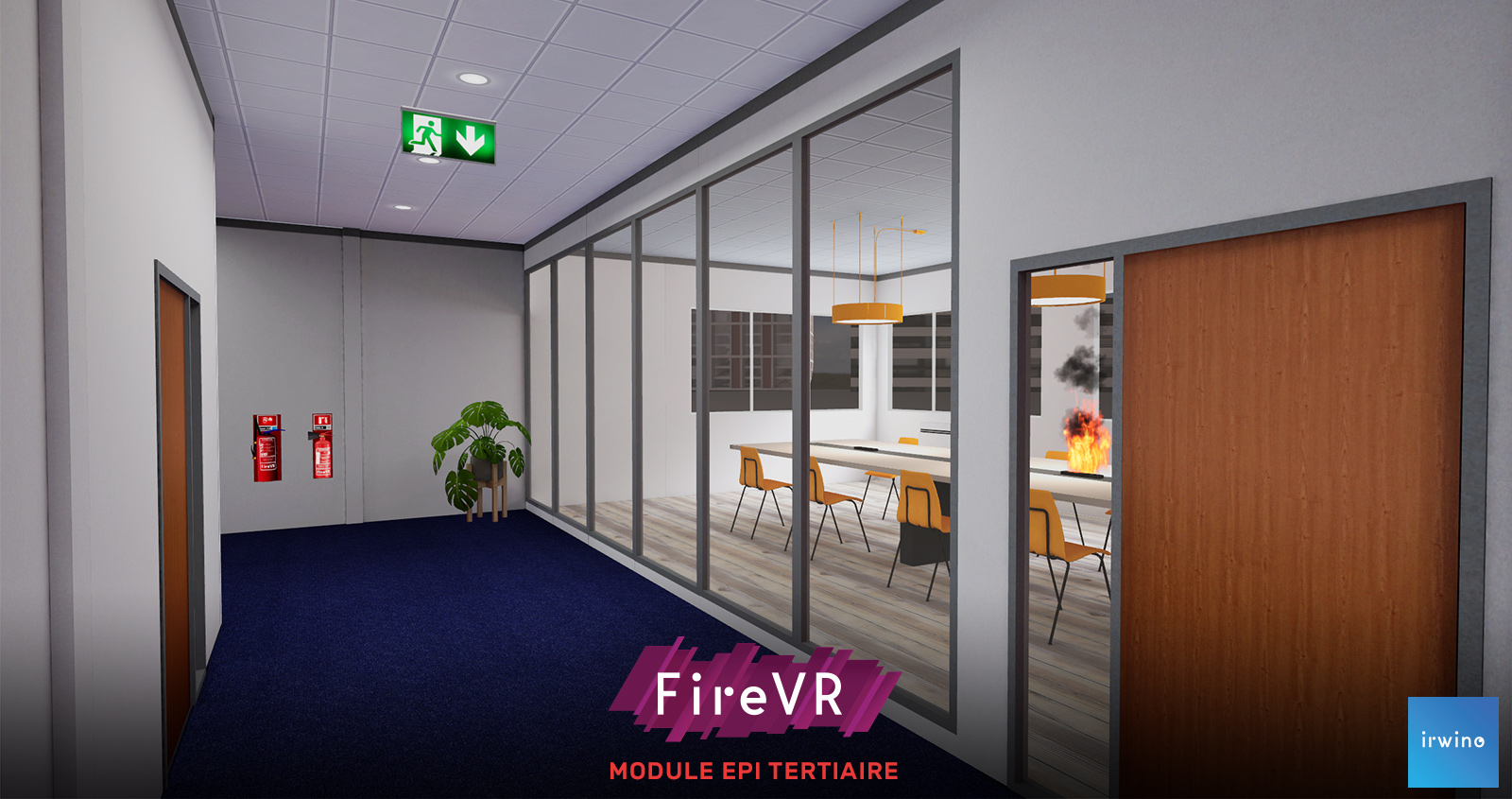
EPI TERTIAIRE
In a professional environment of over 200 m², including a kitchen, offices and meeting room, you can choose from over 18 different scenarios.
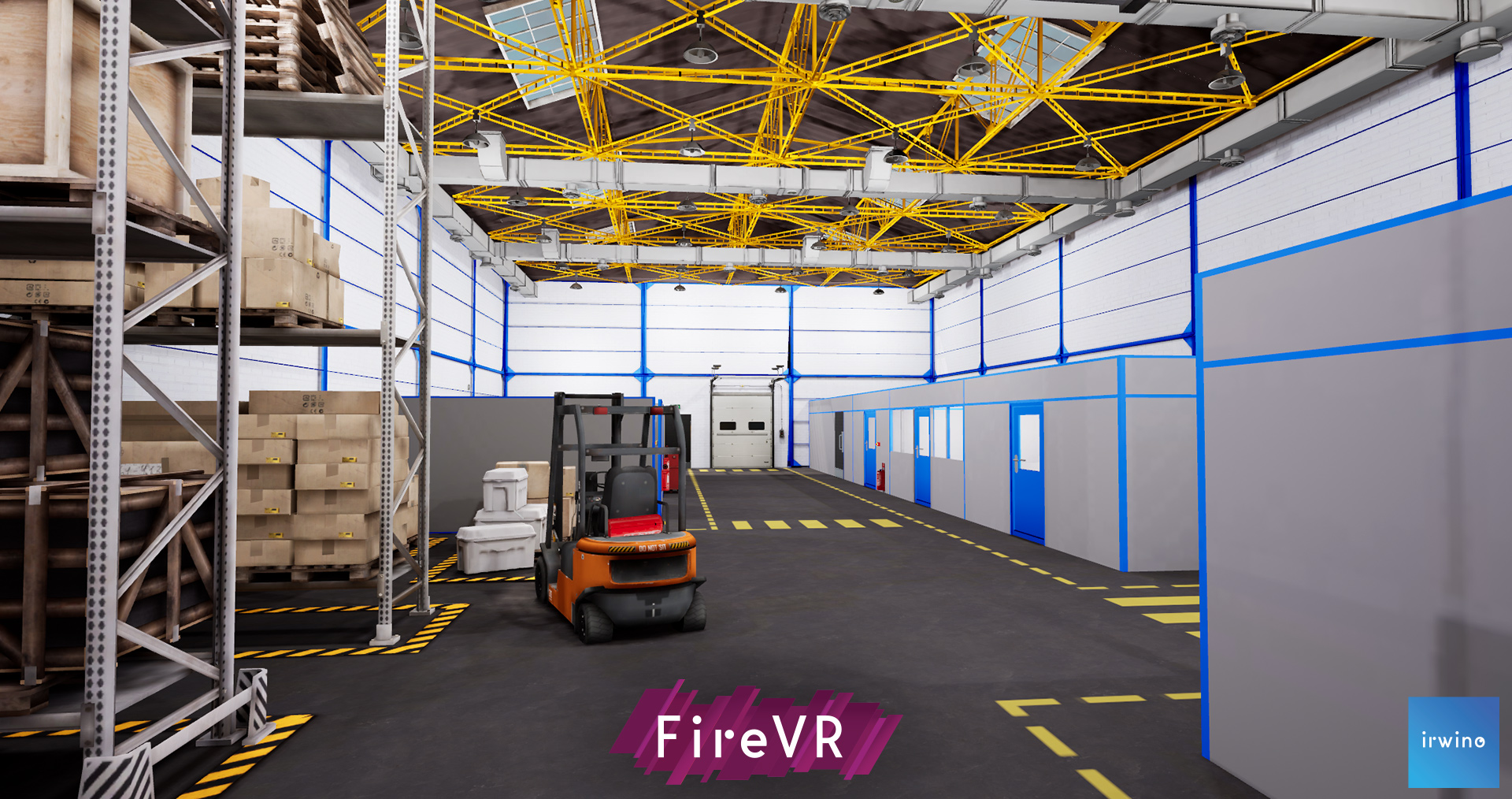
EPI INDUSTRIE
In a professional environment of over 200 m², including workshops, offices and a storage area, you can choose from over 18 different scenarios.
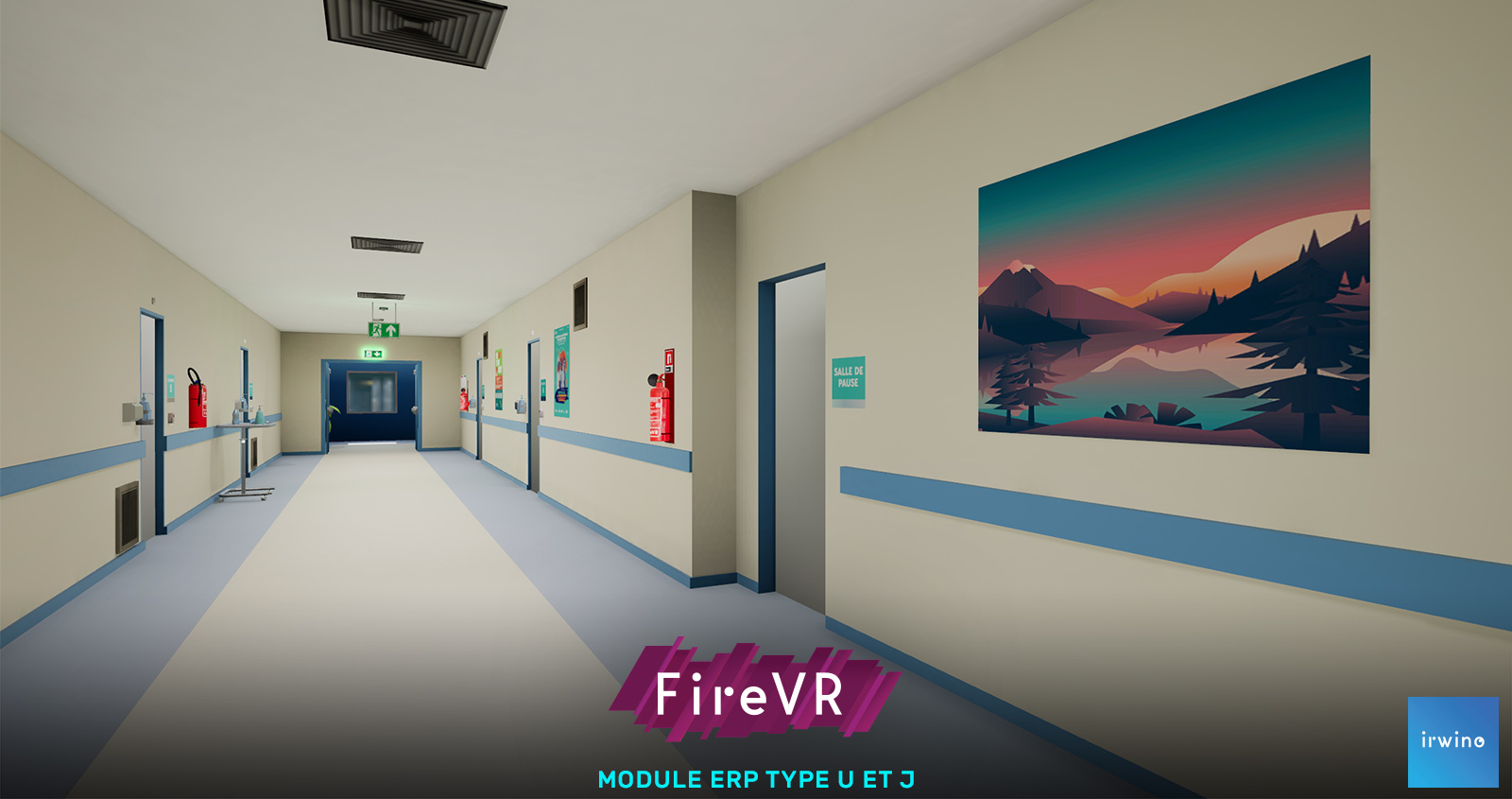
ERP TYPE U&J
In a hospital environment including 8 rooms, a break room, a tea room and safety areas, respond to fire outbreaks, manage the SSI report and evacuate patients.
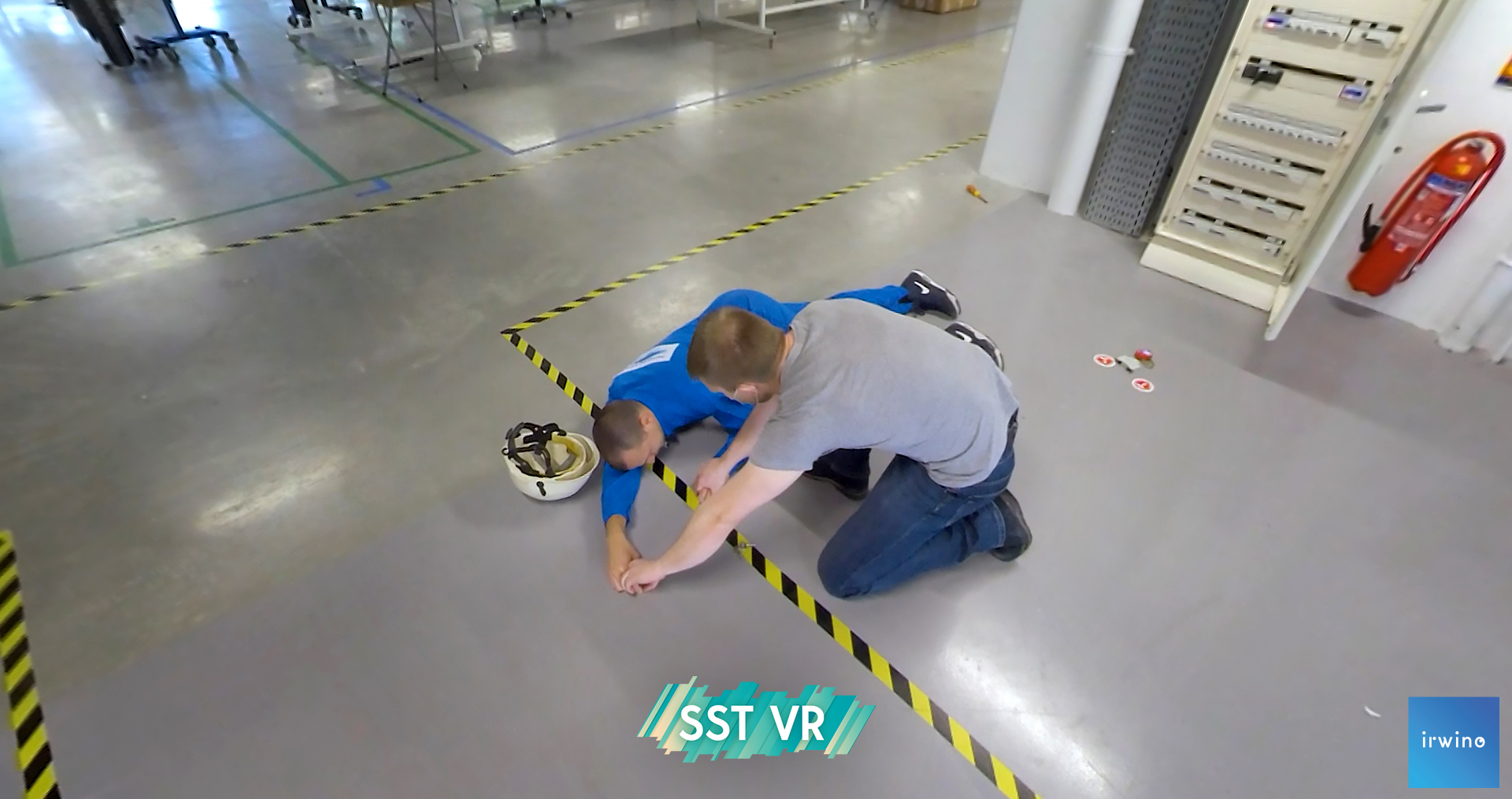
Examine: It stings

Review: Phil'electrique

Protect : Smoking
Evacuating a victim from a burning room

Rescue 1: No time to lose
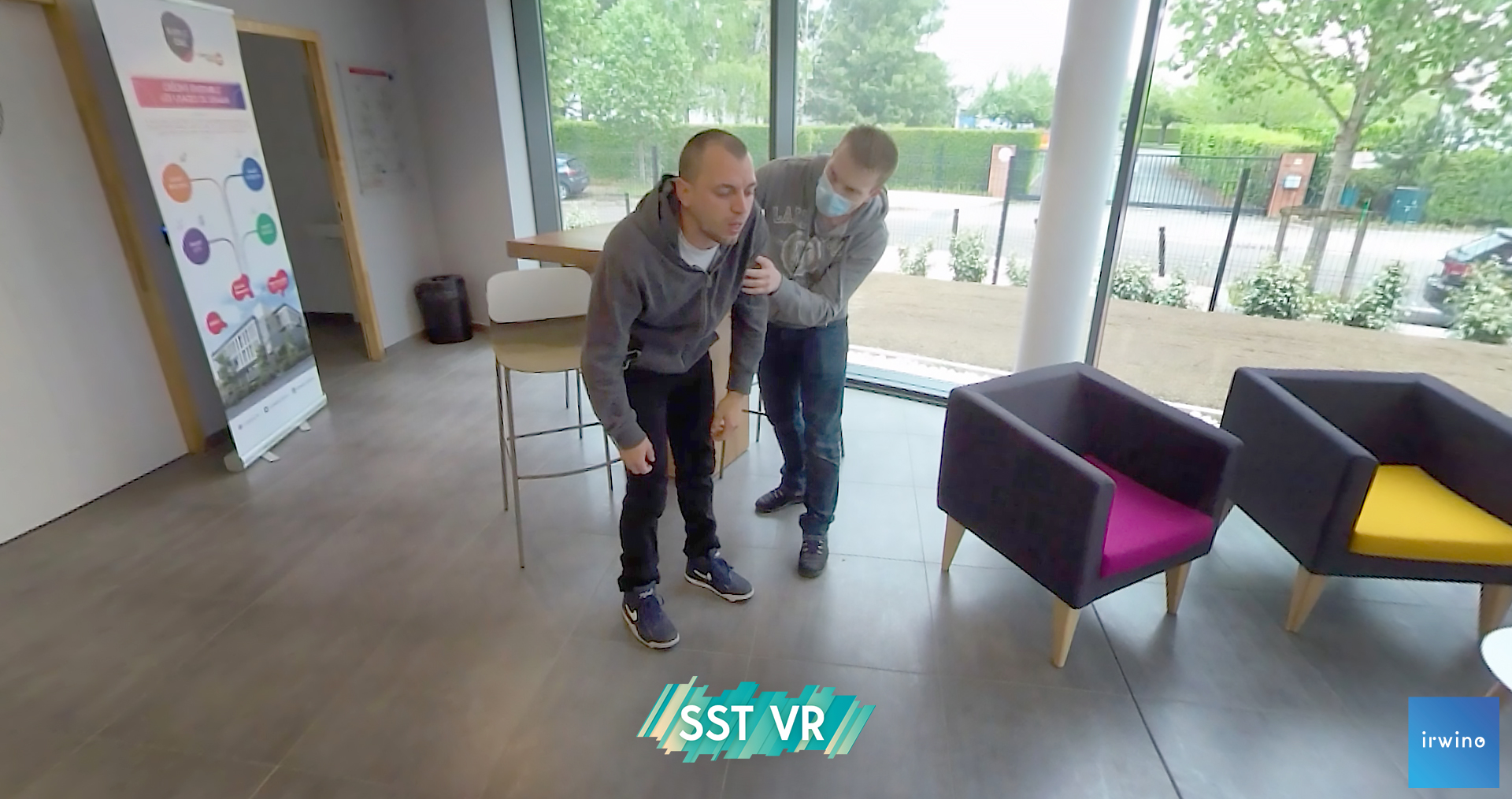
Rescue 2: Hot croissants
Victim suffocates

Rescue 3: High fever
Managing a symptomatic patient

Rescue 3: The quarter-hour of safety
The victim collapses
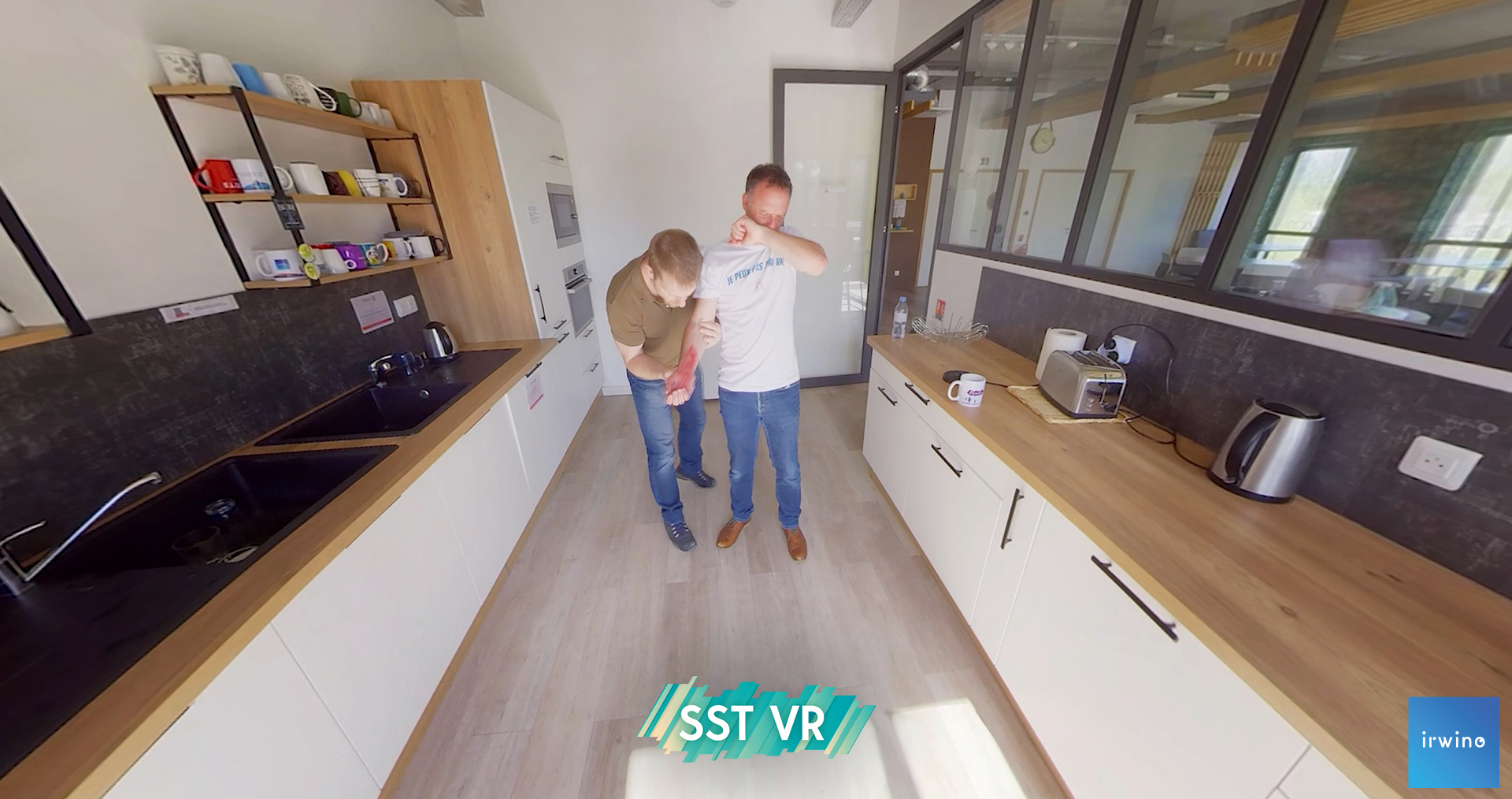
Rescue 4: NesPréChaud What'else
The victim was burned
Rescue 4: Superbike!
The victim was burned
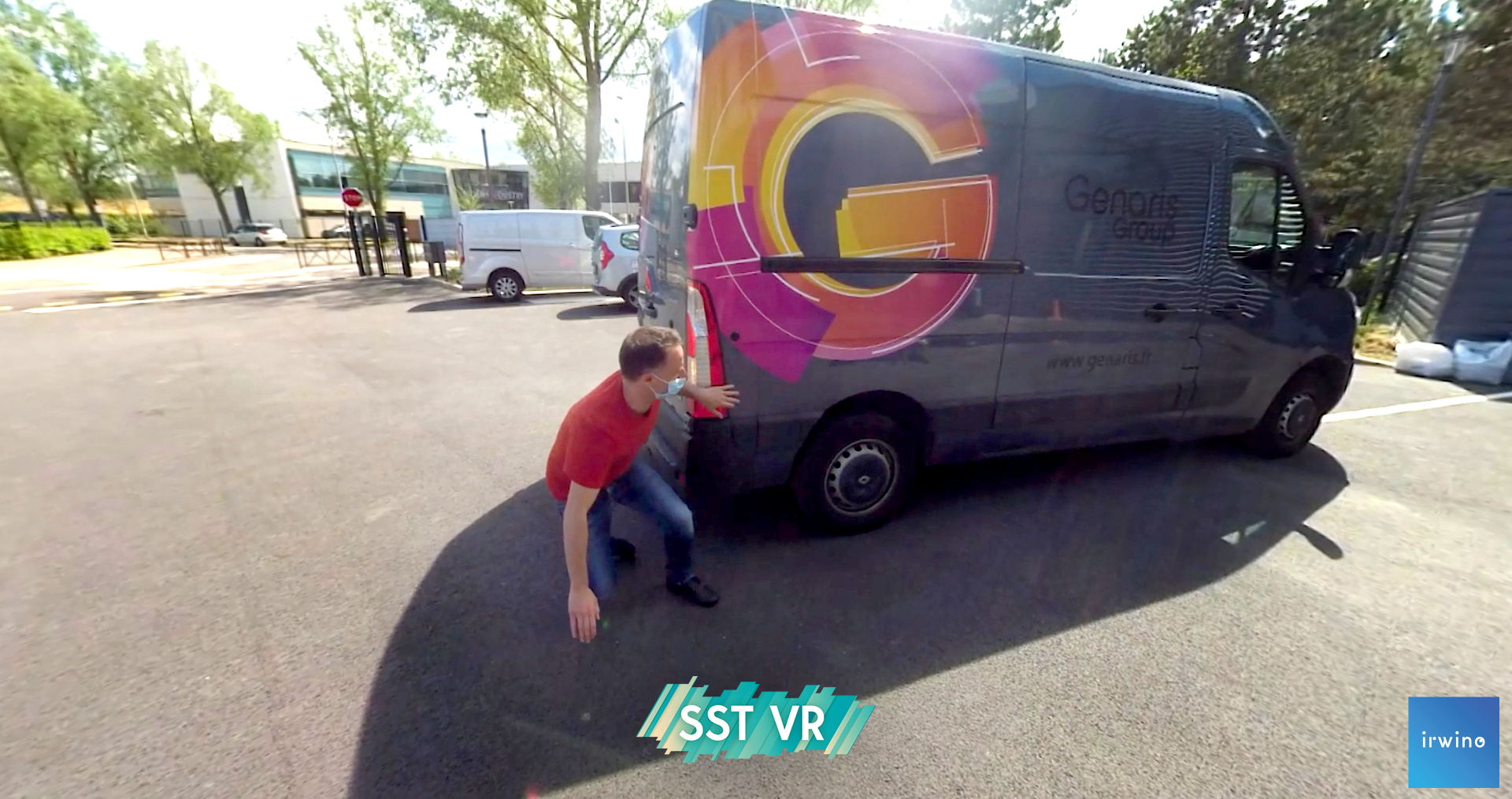
Rescue 5: Go on, get back!
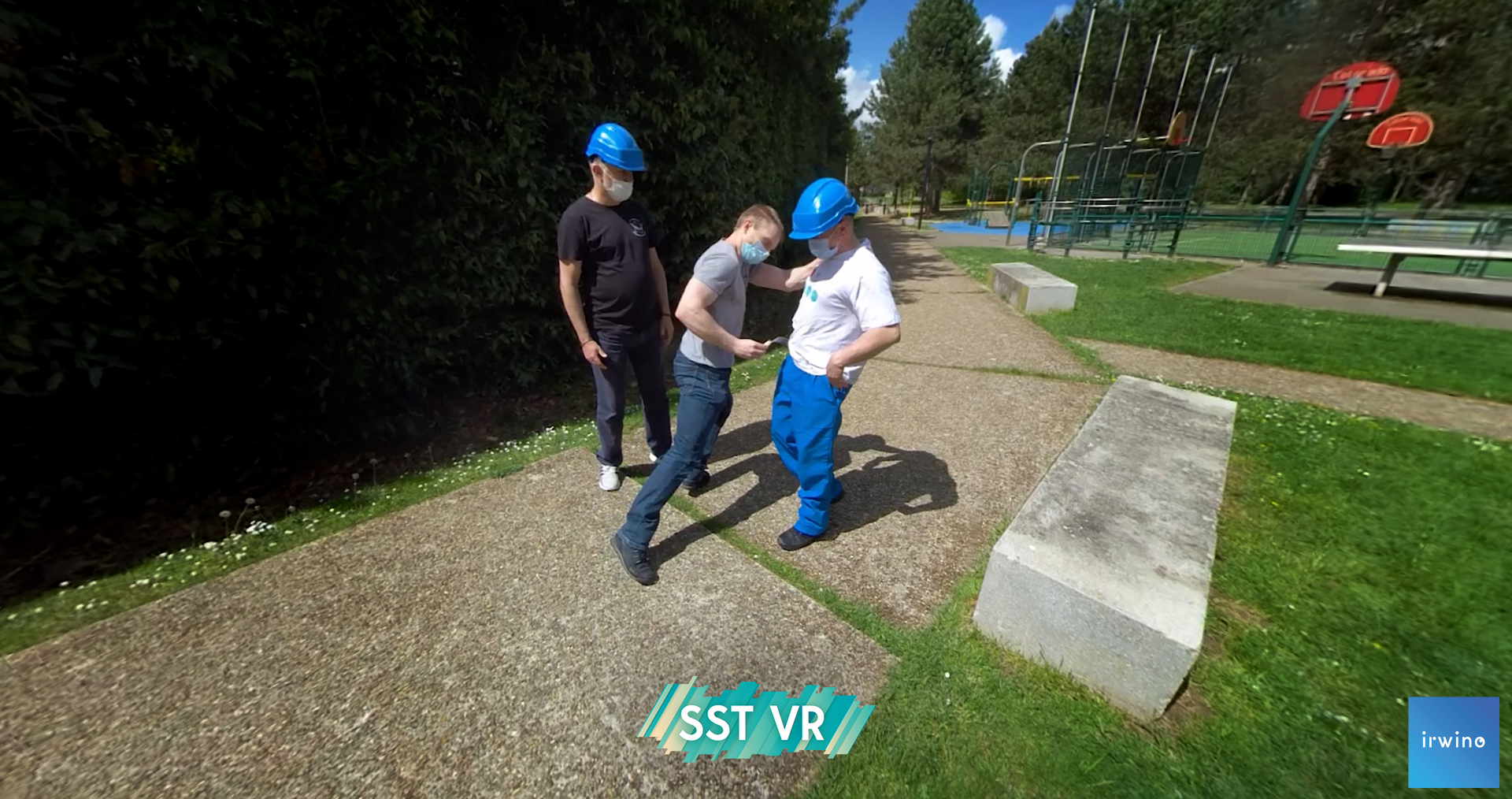
Rescue 6: That's enough of that noise!
Aggression of a victim with open wound
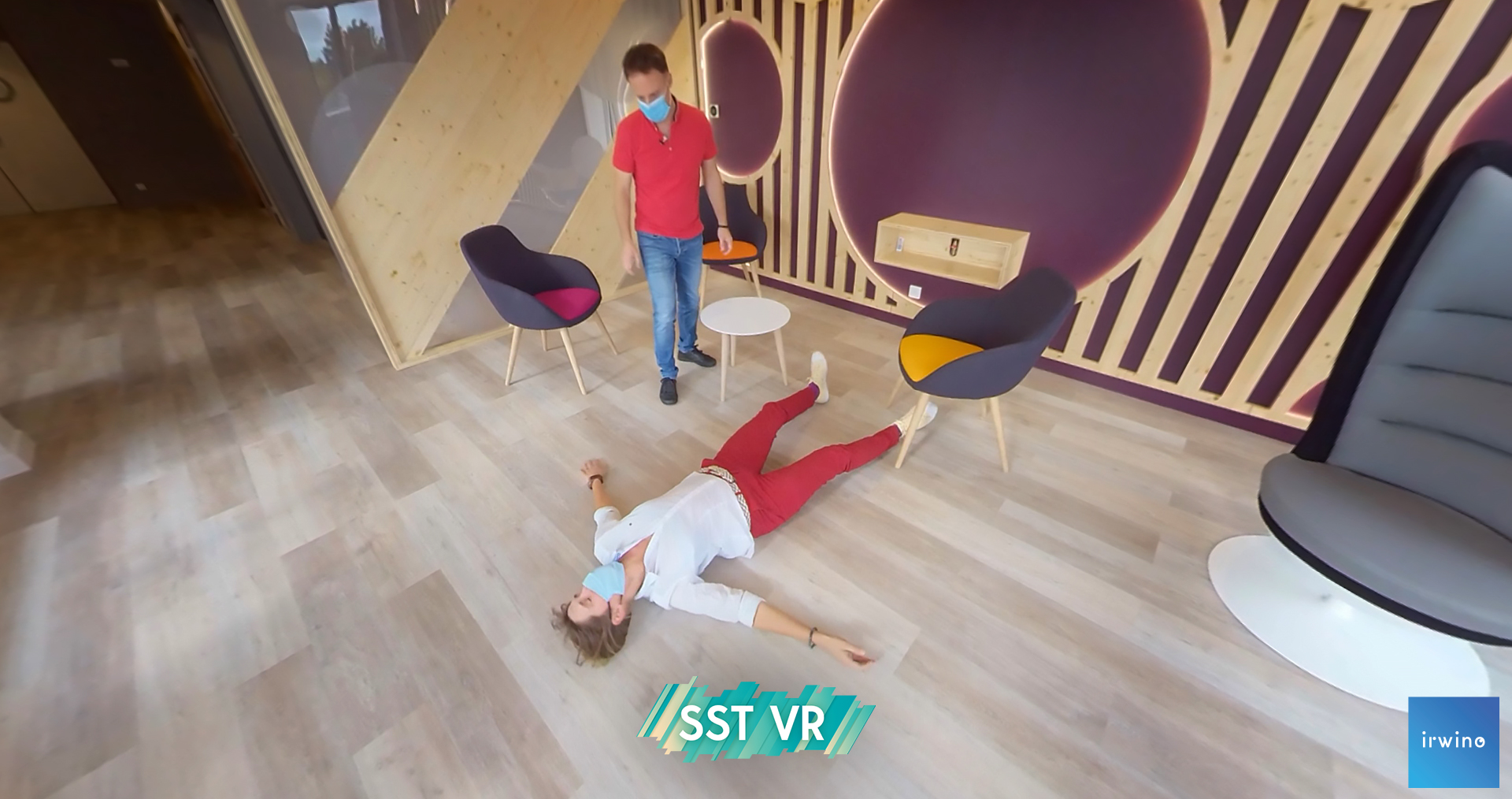
Rescue 7: We talk, we talk...
Victim suffers epileptic seizure
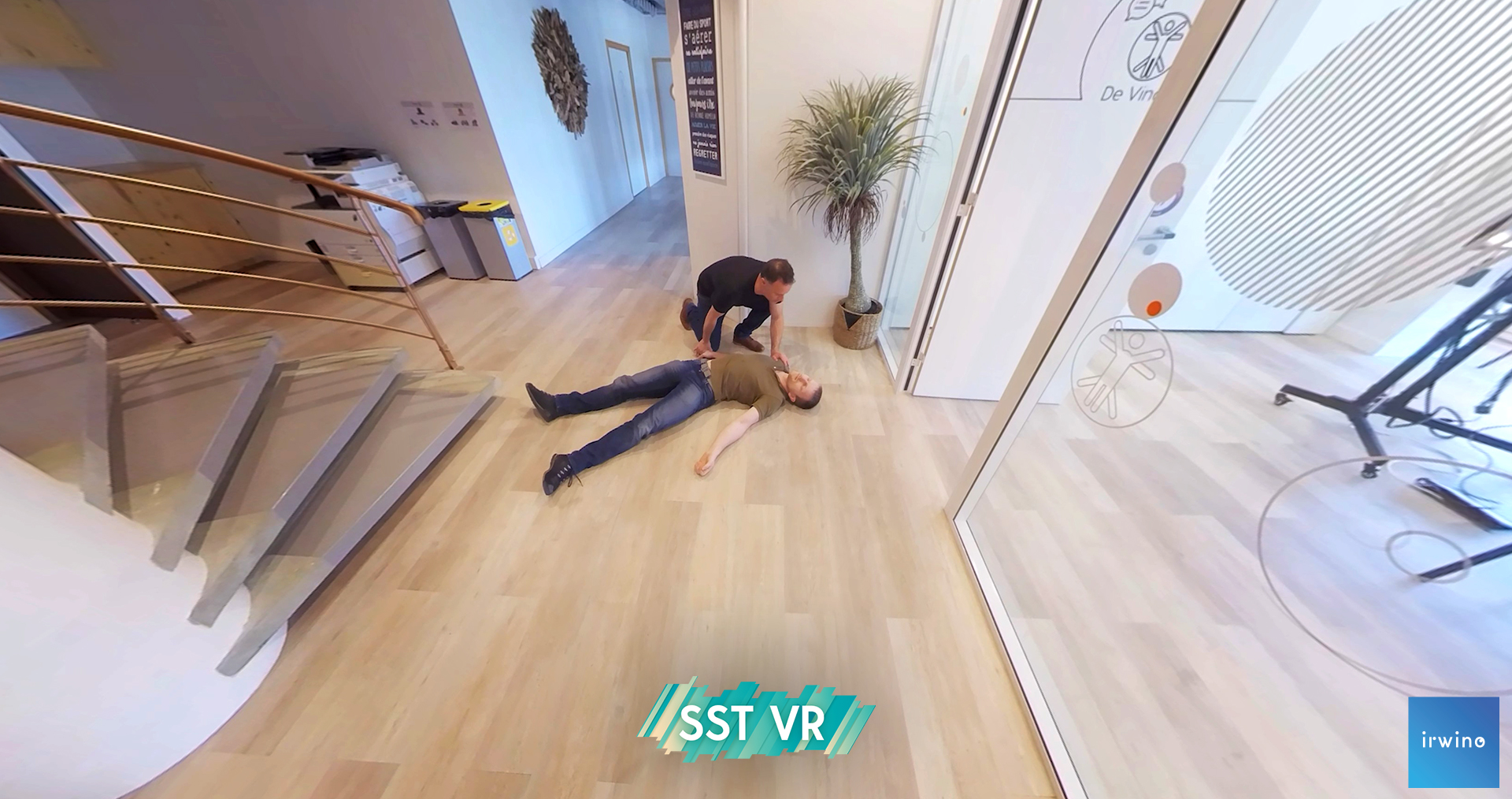
Rescue 7b: The Emperor's steps
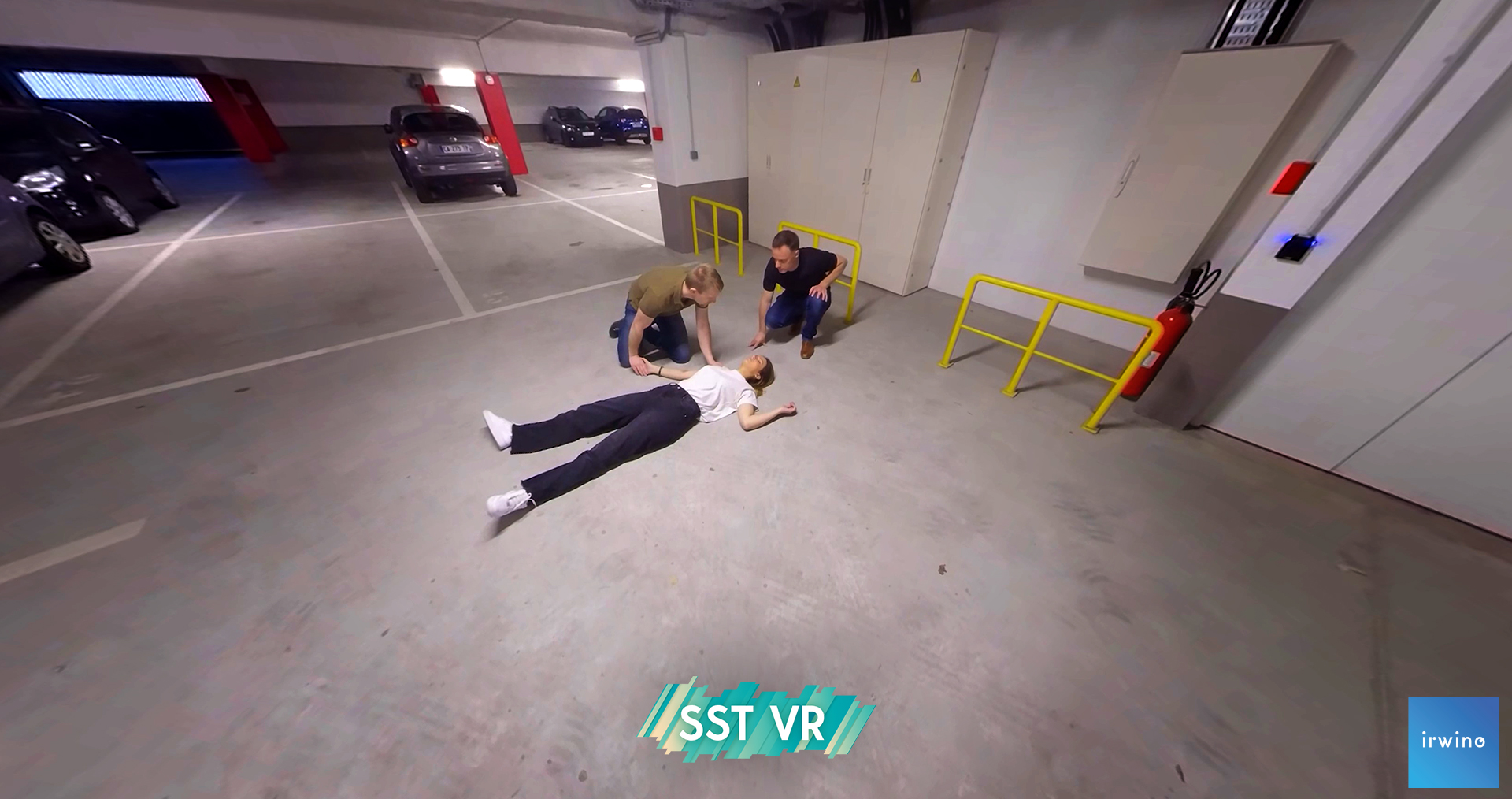
Rescue 7c: Parking des Anges
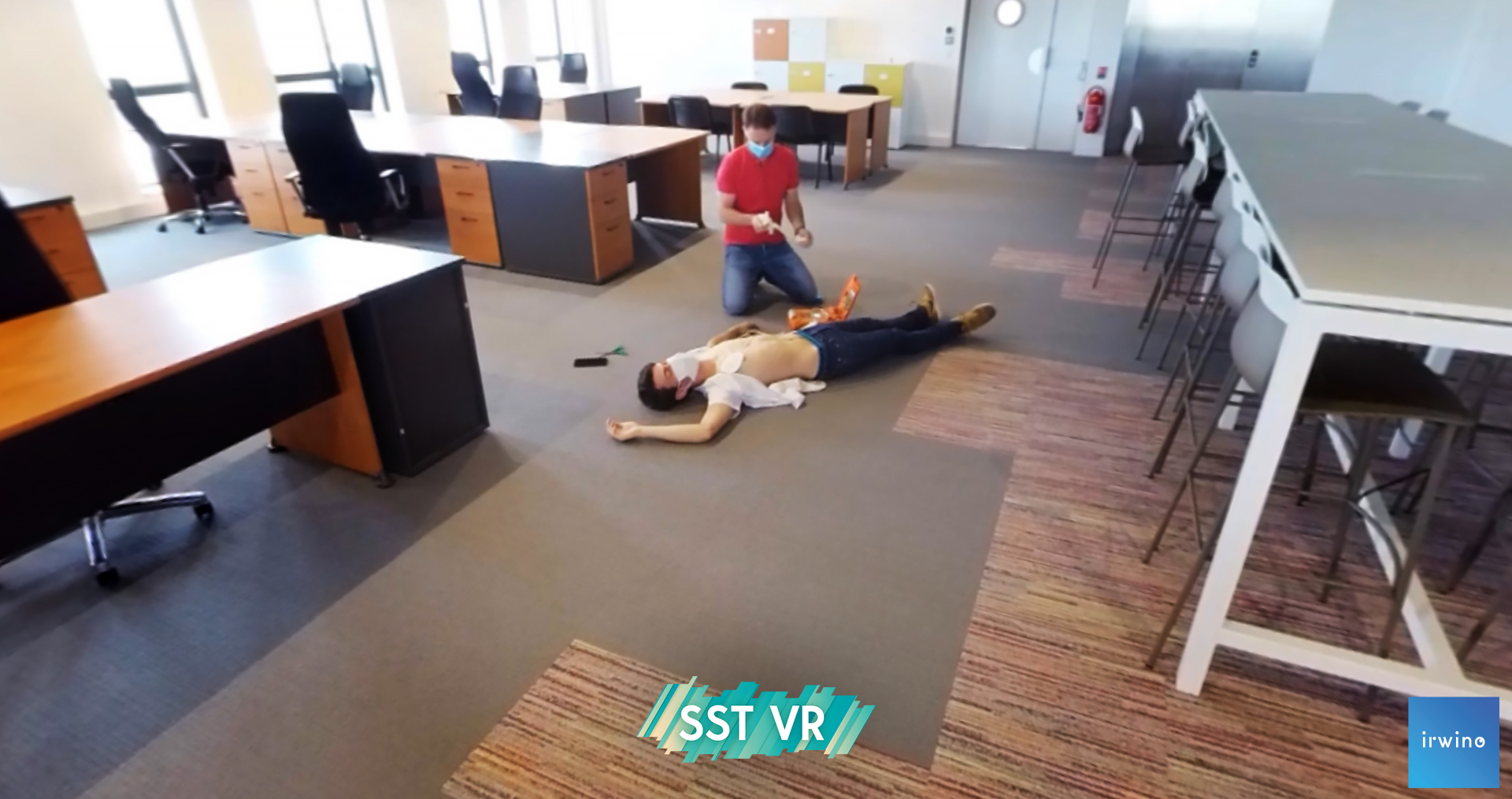
Rescue 8: Open-Space
Victim goes into cardiac arrest
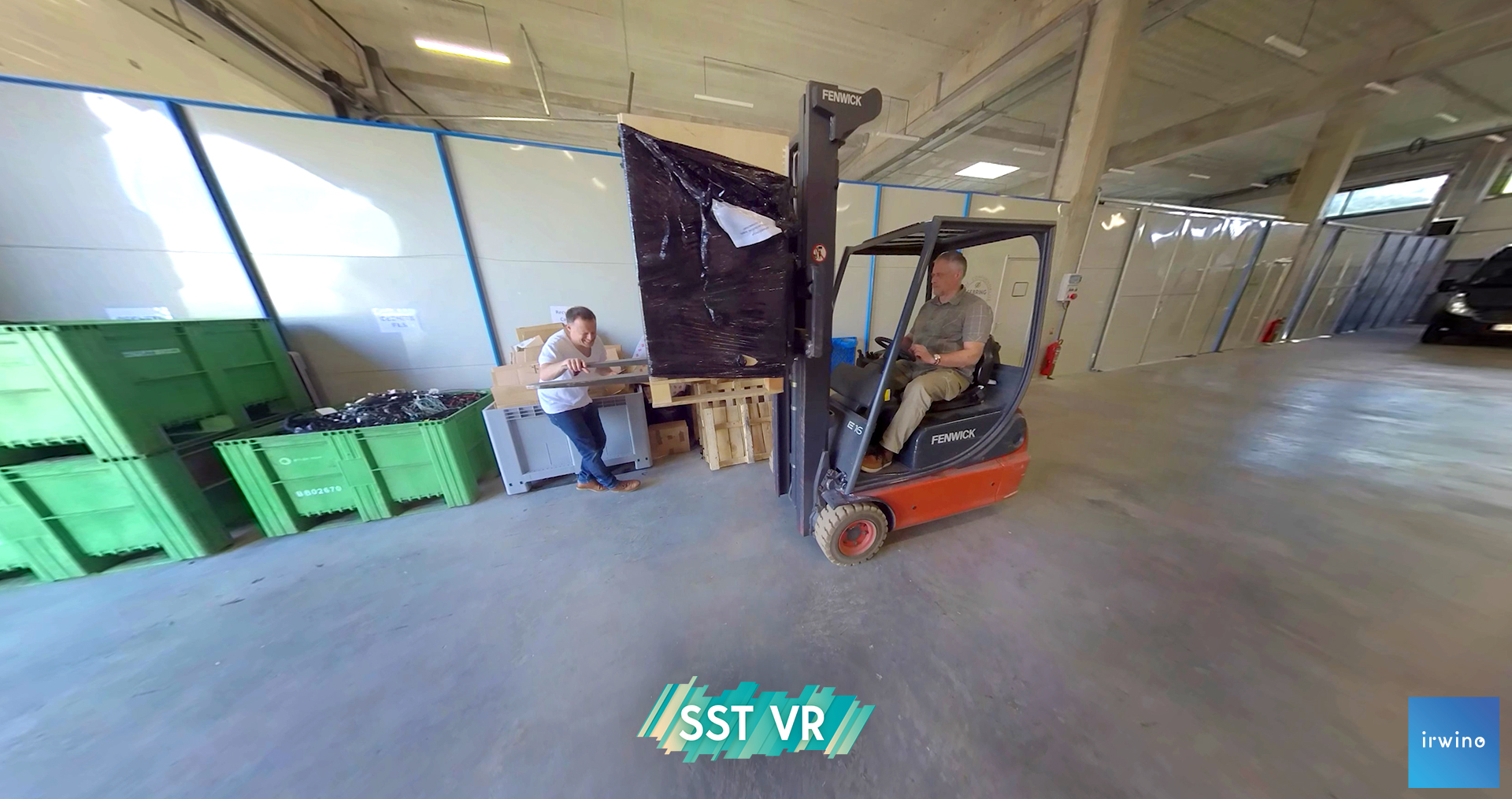
Rescue 8b: FenPark
The victim has a profusely bleeding chest wound
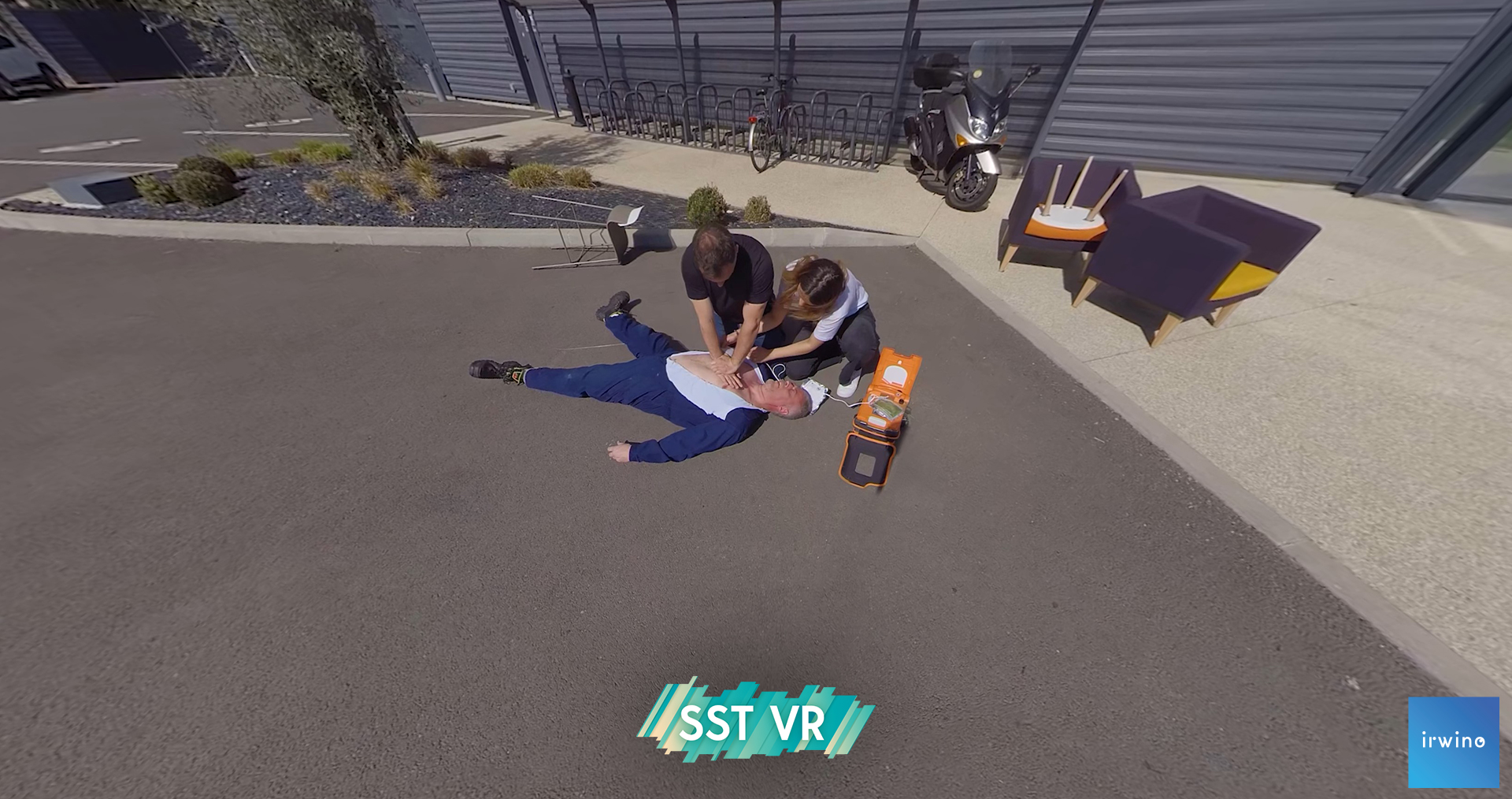
Rescue 8b: Le Déménageur Breton
Victim suffers cardiac arrest while carrying a heavy load

Rescue 8c: A nanny from hell
The victim is a child in cardiac arrest


 Français
  English
  Deutsch
  Español
  العربية